
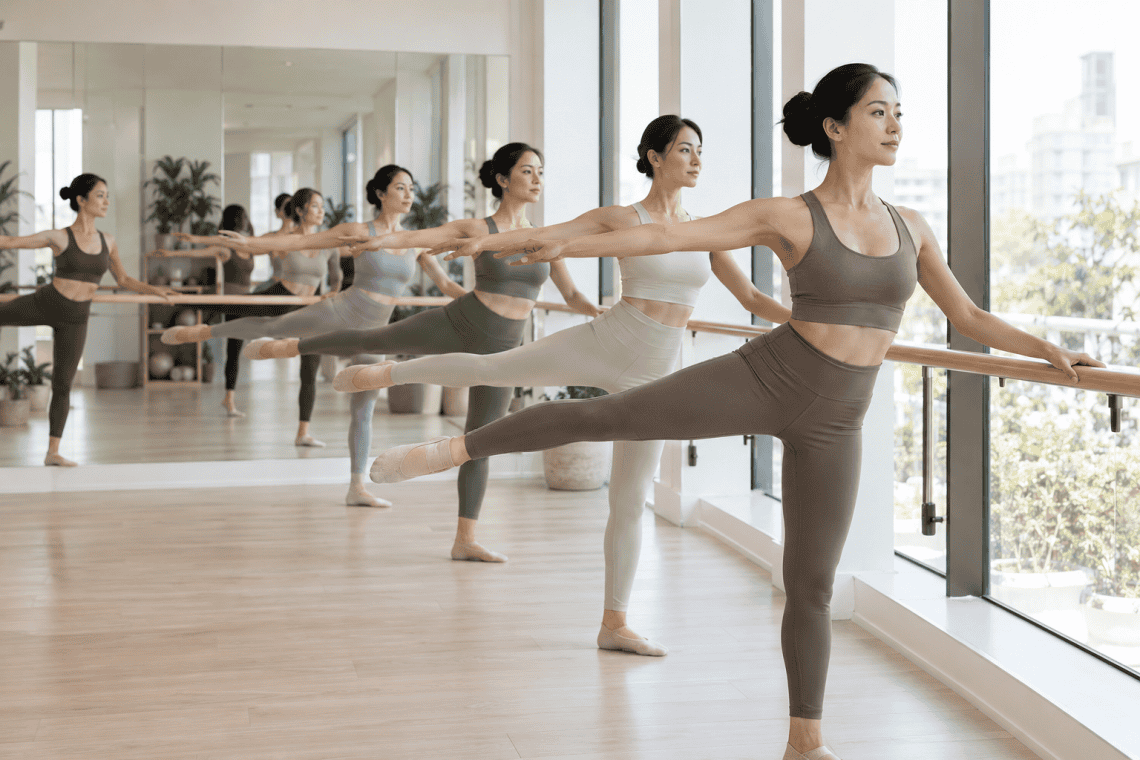
What Pilates Barre Is and Why It Feels So Effective
Pilates barre combines the controlled, alignment-focused principles of Pilates with the small, high-repetition movements often associated with barre training. The result is a workout that feels precise, graceful, and surprisingly intense. You are not just moving for the sake of movement; you are training posture, stability, endurance, and body awareness at the same time.
What makes pilates barre appealing is how accessible it can feel while still challenging your muscles deeply. Many people are drawn to it because it offers a low-impact way to build strength, improve balance, and work on flexibility without needing heavy weights or complicated equipment. It is a smart choice when you want to feel stronger and more in control of your body.
Key Benefits You Can Expect
One of the biggest advantages of pilates barre is its ability to train multiple fitness qualities in a single session. You are often holding positions, pulsing through short ranges of motion, and focusing on core engagement, which encourages muscular endurance and better movement control. This style of training can help you feel more stable in daily activities and more confident in your posture.
It is also a workout style that supports consistency. Because pilates barre is generally low impact, it may feel more approachable if you are easing back into exercise or looking for something that does not leave you overly drained after every session. Over time, you may notice stronger legs, a more engaged midsection, and better overall body awareness.
Better Core Engagement
Pilates barre places a strong emphasis on core activation, which can support better balance and a more upright posture. When your centre is engaged, many of the other exercises feel more controlled and purposeful. This focus can also help you move with greater efficiency during both workouts and everyday tasks.
Instead of relying on momentum, you learn to use stabilising muscles more effectively. That is part of why pilates barre often feels small on the surface but powerful underneath. You are teaching your body to work from the inside out.
Improved Strength and Endurance
The repeated, precise movements in pilates barre are designed to fatigue muscles gradually rather than explosively. This creates a steady burn that can build endurance in your legs, glutes, arms, and core. You may find that you can hold positions longer and move more smoothly as your fitness improves.
Because the exercises often involve controlled repetition, you get plenty of practice maintaining form under tension. That combination of strength and stamina is one reason people return to pilates barre again and again.
Low-Impact Joint-Friendly Movement
If you prefer training that is kinder on the joints, pilates barre can be a very appealing option. The movements usually stay grounded, controlled, and deliberate, which helps reduce the pounding that can come with higher-impact workouts. This makes it easier for many people to stay active consistently.
Low impact does not mean low effort. You can still feel a serious challenge through sustained muscle work and careful positioning. That balance is what gives pilates barre its broad appeal.
What a Typical Class Looks Like
A typical pilates barre class at LA Pilates Studio KL usually starts with a brief warm-up to prepare your body and bring your attention to alignment and breath. From there, the session may move through standing sequences, floor-based core work, and exercises that target the arms, thighs, seat, and calves. The flow is often designed to keep you engaged without feeling rushed.
You can expect a mix of Pilates-inspired precision and barre-style repetitions. Instructors often cue posture, pelvic alignment, and controlled breathing so that you can get the most out of each movement. Even simple exercises may be modified to make them more manageable or more challenging, depending on your level.
Warm-Up and Alignment
The warm-up usually helps you connect with your breathing, release unnecessary tension, and find a stable stance before the harder work begins. This is where posture cues matter most, because a good setup can make each exercise safer and more effective. You are essentially preparing the body to move with intention.
During this stage, you may notice a strong emphasis on spinal alignment, shoulder placement, and core engagement. These details can seem small, but they shape the quality of the rest of the class.
Standing Work and Pulses
Many pilates barre classes include standing exercises that challenge balance, leg strength, and control. You might hold a narrow stance, lower into small squats, or perform tiny pulses that keep the muscles under constant tension. These movements may look simple, but they can be deceptively demanding.
The goal is not speed. It is precision, stability, and sustained effort. When you focus on form, the standing work becomes a powerful way to build strength and endurance.
Mat and Floor Sequences
Floor work often shifts the focus to the core, hips, and glutes, with exercises performed on a mat or other supportive surface. These sequences allow you to work from a more stable position while still demanding control and concentration. They can also give you a chance to reset before another round of standing movement.
Because the floor work is usually more grounded, it can help you refine your technique and feel how different muscles are working together. That awareness often carries over into the rest of the class.
How to Get the Most Out of Pilates Barre
To get the most out of pilates barre, focus on quality rather than trying to force every movement. The method rewards attention to detail, controlled breathing, and consistent practice. When you move with intention, you make every repetition count more than you might expect.
It also helps to approach class with realistic expectations. Progress in this style of training often shows up in better posture, steadier balance, improved muscle tone, and a stronger mind-body connection. Those changes can build gradually, but they tend to feel meaningful in everyday life.
Focus on Form, Not Speed
In pilates barre, form matters more than rushing through the sequence. If you move too quickly, you may lose the muscle engagement that makes the workout effective in the first place. Slower, more deliberate movement often creates a deeper challenge and better results.
Try to stay present in each repetition and notice how your body responds. That awareness can help you refine your technique and make the workout more rewarding over time.
Use Modifications When Needed
Modifications are a smart part of training, not a sign of failure. Whether you need less range of motion, extra support, or a simpler version of an exercise, adjusting the movement can help you stay safe and consistent. It also allows you to build strength at a pace that suits your body.
As your confidence improves, you can gradually progress to more demanding variations. That steady progression often leads to better long-term results than pushing too hard too soon.
Stay Consistent and Patient
Like most effective exercise methods, pilates barre works best when you practise it regularly. Even one or two sessions a week can help you build familiarity with the movements and improve your control. Consistency tends to matter more than intensity alone.
Patience is equally important. You may not notice dramatic changes overnight, but repeated practice can help you feel stronger, more coordinated, and more connected to your body. That sense of progress is often what keeps people motivated.
Who Pilattes Barre Suits Best
Pilates barre can suit a wide range of people because it offers structure, variety, and a scalable level of challenge. If you like workouts that feel elegant but purposeful, this style may fit you well. It can also appeal to those who want strength training without heavy lifting or high-impact jumping.
This approach is often a good match if you value posture, balance, and controlled movement. It can complement other forms of exercise too, especially if you want to improve your stability, support active recovery, or simply enjoy a workout that feels both focused and empowering.
Beginners Looking for a Gentle Entry Point
If you are new to exercise or returning after a break, pilates barre can be a welcoming place to start. The low-impact nature of the workout and the option to modify exercises make it easier to build confidence. You can learn the basics of alignment and control without feeling overwhelmed.
As you grow more familiar with the class structure, you may find that your strength and stamina improve in a natural, manageable way. That gradual progress can make fitness feel more sustainable.
People Who Want Posture and Core Support
If you spend long hours sitting, pilates barre can help you reconnect with upright posture and better core engagement. The emphasis on alignment may encourage you to carry yourself more efficiently throughout the day. You may also feel more aware of how your shoulders, ribs, and pelvis are positioned.
This kind of movement practice can be especially useful when you want your workout to translate into everyday comfort and confidence. Small improvements in posture often make a noticeable difference.
Anyone Seeking Variety in Their Routine
If your workouts are starting to feel repetitive, pilates barre can add something fresh without straying too far from familiar movements. It blends strength, control, and rhythm in a way that keeps the session interesting. You get enough variety to stay engaged while still building skill over time.
That balance of challenge and structure is one of the reasons pilates barre continues to attract people with different goals and fitness backgrounds.