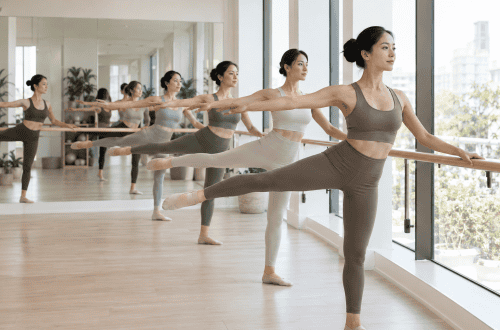
LA Pilates offers one-on-one private Pilates focused on posture restoration, pain reduction, and progressive strength rebuilding. Sessions begin with medical and movement intake, posture and breath assessment, and core activation checks to customize plans la-pilatesstudio.com/. Instructors use equipment, regressions, and sport- or rehab-specific modifications to safely increase load and mobility. Emphasis is on mindful breathing, alignment, and measurable milestones to support confidence and autonomy. Continue for details on programming, client examples, pricing, and booking.
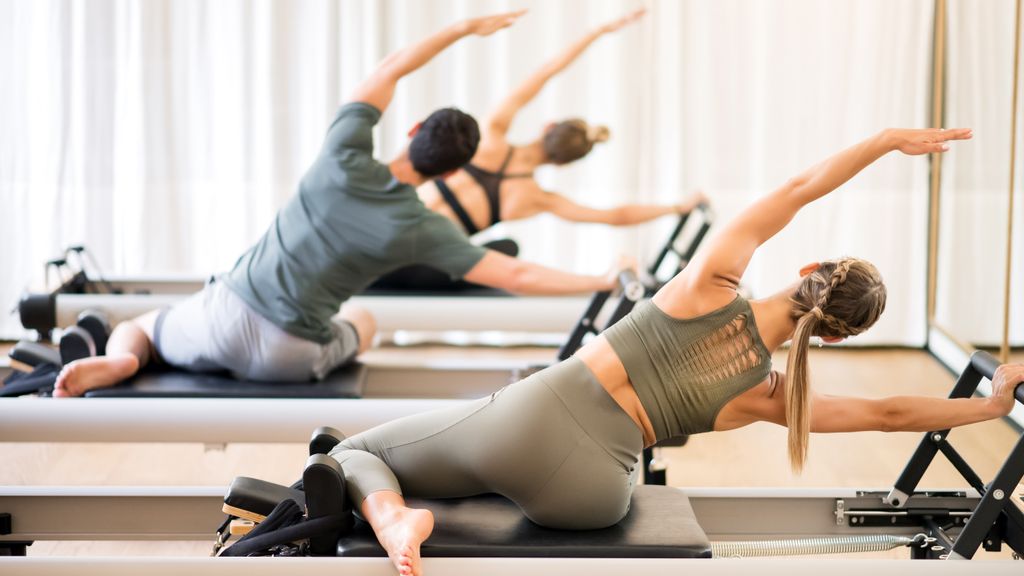
What to Expect in a Private Pilates Session
A private Pilates session begins with a brief intake to review medical history, current movement limitations pilates private class, and specific goals. This is followed by a targeted assessment of posture, breath, and core activation to inform a customized exercise plan.
The instructor observes alignment, mobility, and compensations, then selects precise exercises and cues to restore efficient movement patterns. Equipment and progressions are chosen to challenge without provoking pain, enabling gradual expansion of capacity.
Sessions emphasize mindful breathing, proprioceptive feedback, and coordinated sequencing to foster autonomy in movement choices. Home practice recommendations and clear progress markers are provided so clients leave equipped to continue independently.
The approach balances structure and adaptability, supporting liberation from restrictive habits and promoting confident, capable bodies.
Improve Posture and Reduce Pain With Private Pilates
Building on the individualized assessment and targeted cueing of a private Pilates session, clients often see measurable improvements in posture and reductions in pain through deliberate alignment practice and progressive loading.
The instructor emphasizes breath, spinal neutrality, and balanced muscle engagement to facilitate more comfortable movement and reduce compensatory strain. Sessions focus on restoring joint mobility, retraining postural habits, and increasing body awareness so daily life feels less restricted and more fluid.
- Gentle core stabilization to support the spine
- Scapular mobility and shoulder alignment drills
- Hip and pelvic positioning for balanced gait
- Functional cueing for ergonomic daily tasks
- Mindful breathing to decrease tension and pain
Outcomes prioritize freedom of movement, sustained comfort, and confidence.
Build Strength Safely: Tailored Programming & Progression
A structured approach begins with assessment-based exercise plans that identify imbalances and set individualized goals.
Progression follows a gradual increase in load and complexity to build strength without provoking symptoms.
Ongoing movement quality monitoring guarantees technique is maintained and adaptations are made as needed.
Assessment-Based Exercise Plans
One structured assessment provides the foundation for exercise plans that safely build strength through individualized progression. The process identifies movement patterns, range limitations, pain triggers, and functional goals, enabling clear, liberating choices about practice. Recommendations emphasize autonomy, confidence, and safe challenge.
- Movement screening to map strengths and asymmetries
- Postural analysis for alignment and ergonomic adjustments
- Functional tests tied to daily activities and goals
- Pain and history review to avoid harmful loadings
- Mobility and stability checks to target priorities
From these data, sessions are designed with options that empower clients to select intensity and variations while maintaining safety. Progress is measured objectively, allowing freedom to pursue strength without compromising recovery or alignment.
Gradual Load Progression
Gradual load progression sequences resistance, range, and complexity to advance strength while minimizing tissue risk. Programs increase challenge in measured steps, prioritizing client autonomy and clear milestones.
Progression plans tailor increments to individual capacity, recovery, and goals, alternating load, volume, and movement variants to avoid plateaus. Emphasis rests on predictable, reversible adjustments so clients feel empowered to accept or pause increases.
Rehab-aware progressions integrate symptom-guided limits, ensuring strengthening does not outpace healing. Sessions introduce novel demands only after consistent adaptation, preserving joint integrity and neuromuscular control.
Documentation of responses guides subsequent increments, creating a transparent pathway from support to independence. The approach invites safe expansion of capability without coercion.

Movement Quality Monitoring
Because movement quality dictates how force is distributed and learned, monitoring form becomes central to safe strength progression. Observers note alignment, control, and breathing to guarantee each repetition trains resilient patterns that enable movement freedom.
Objective tracking and timely cues guard against compensations that lock mobility or breed pain. Progress is judged by consistency rather than load alone, prioritizing autonomy and sustainable capacity.
- Video review for posture and joint tracking
- Repetition quality over numerical totals
- Cueing hierarchy: breathing, alignment, tempo
- Regression strategies when form degrades
- Periodic reassessment for autonomous progression
This approach empowers clients to move confidently, preserving options for exploration while building reliable strength and restoring natural, unrestricted movement.
Rehab-Friendly Private Pilates: How Instructors Adapt Sessions
Instructors tailor private Pilates sessions to address specific rehabilitation goals, modifying exercises, tempo, and equipment to protect injured tissues while promoting mobility and strength.
Sessions prioritize safe progressions, clear markers for pain versus effort, and purposeful regressions when needed.
Instructors select props—bands, small balls, reformer settings—to offload joints, cue breath-linked movement, and refine control.
Movement choices emphasize alignment, symmetry, and functional patterns that translate to daily life, restoring capacity without constraint.
Progress is measured by improved range, reduced compensation, and increased tolerance for load.
Communication remains direct and empowering, granting clients autonomy within therapeutic boundaries.
The approach balances structure with adaptability, enabling recovery that supports return to preferred activities and sustained physical freedom.
Is Private Pilates Right for You? Desk Workers, Athletes, and Rehab
Private Pilates can be tailored to address the rounded shoulders, tight hips, and weakened core common in desk-bound clients, offering targeted mobility and postural retraining.
For athletes, sessions emphasize performance-enhancing strength, balanced muscle activation, and injury prevention through sport-specific progressions.
In rehabilitation contexts, one-on-one work allows careful load management and exercises adapted to current stages of recovery.
Desk Worker Benefits
For many who spend long hours at a desk, targeted Pilates sessions offer practical relief by addressing postural imbalances, deep core weakness, and repetitive-strain patterns that develop from prolonged sitting. The practice emphasizes mobility, breath, and mindful alignment, empowering individuals to move with less pain and more ease.
Private instruction allows routines tailored to workday demands, restoring freedom of movement and reducing cumulative tension.
- Improved spinal alignment and reduced forward-head posture
- Strengthened deep core and pelvic stabilizers for upright sitting
- Restored hip and thoracic mobility to counter stiffness
- Techniques to integrate better posture into daily tasks
- Short, repeatable routines suitable for breaks during the workday
These focused interventions promote sustainable comfort and autonomy.
Athlete & Rehab Focus
While desk-centered routines target postural imbalances and repetitive-strain patterns, athletes and individuals recovering from injury require a different emphasis: movement efficiency, load management, and progressive rehabilitation.
Private Pilates sessions tailor resistance, tempo, and range to restore function while expanding capacity. Coaches assess movement patterns, identify compensations, and prescribe targeted progressions that respect tissue healing and performance goals.
For athletes, sessions integrate sport-specific demands—rotational power, single-leg stability, breath control—to refine skill without restriction.
For rehab clients, controlled loading and precise cueing rebuild confidence and autonomy, reducing fear of movement.
In both cases, individualized plans prioritize measurable gains, safe return to activity, and long-term resilience. The approach fosters freedom of movement through disciplined, evidence-informed practice.
Private Pilates Pricing & How to Book Your First Session
How much should a newcomer expect to invest in one-on-one Pilates instruction? A typical private session ranges from introductory rates to premium packages, reflecting instructor experience and studio amenities. Booking is straightforward and designed to free clients from barriers to movement.
- Single session pricing: varies by instructor, often between introductory and standard hourly rates
- Package options: multi-session discounts that reward commitment and progress
- Initial consultation: movement assessment to tailor programming and address rehab needs
- Scheduling: online booking, phone, or email with flexible times for autonomy
- Cancellation policy: clear terms to protect both client freedom and instructor availability
Clear pricing, transparent packages, and easy booking empower individuals seeking strength, posture improvement, and rehabilitation.
Conclusion
Private Pilates offers a personalized path to better posture, strength, and recovery, blending tailored assessment, progressive programming, and rehabilitative modifications. Sessions address individual needs—desk-bound stiffness, athletic performance goals, or injury rehabilitation—within a safe, instructor-guided framework. While investment and scheduling vary, the focused guidance accelerates results and reduces risk compared with generic classes. For those seeking efficient, targeted improvements, private Pilates represents a practical, adaptable option to support long-term movement health.